Cyber Security Recruitment That Helps You Stay Ahead of Risk
Find the cyber security specialists your organisation needs.
From one specialist security hire to building an entire cyber team, Clicks helps Australian employers find permanent and contract professionals across security engineering, architecture, threat detection, incident response and governance, risk and compliance.
Finding the right person is only part of the job. Clicks combines specialist tech market knowledge, operational depth and relationships that continue after placement, backed by local teams and national reach. It means better-informed hiring decisions, less admin for your team and support that stays in place once someone starts.
We know the market
Specialist recruiters who understand where skills, salaries and candidate expectations are moving.
We make hiring easier
From shaping the brief and sourcing through to onboarding, payroll, compliance and contractor support.
We stay involved
Our relationship with candidates doesn’t stop when they start work. That supports continuity and keeps us close to the talent market.
Local people. National capability.
Consultants who know their markets, backed by the systems and scale to handle complex hiring.
You’re in good hands with a Clicks Vertical Specialist
Cyber security recruitment requires an understanding of more than technical skills. Our specialist recruiters know the Cyber & Security market, from security architecture and threat detection to governance, risk and compliance.
We understand the importance of finding professionals with the right experience, technical capabilities and security clearances for your organisation. With established candidate networks and knowledge of the market, we help you connect with talent who can strengthen your security capability.
Josh specialises in Cyber Security recruitment and has six years of experience partnering with nationally recognised organisations, start-ups and scale-ups. He is committed to securing high-calibre talent while delivering trusted advice, strong outcomes and lasting relationships with clients and candidates.
THE ENGINE
Cyber security hiring without the guesswork
Cyber security vacancies can leave critical gaps in your organisation’s capability. Finding professionals with the right technical experience, industry knowledge and, where required, security clearances takes a targeted approach.
Clicks helps you define the skills and experience you need, understand what the market can realistically supply and connect with cyber professionals who fit your technical environment and team.
Your Hiring Challenges
Hard-to-find specialist cyber skills
Competition for experienced security talent
Security clearance and compliance requirements
Critical vacancies increasing pressure on teams
Limited access to passive candidates
What Clicks Takes Care Of
Defining technical and security requirements
Mapping specialist talent in the market
Engaging active and passive cyber candidates
Salary and availability advice
Managing the recruitment process from brief to offer
Looking for your next tech hire?
Need to hire one person or build out a whole team? Tell us what you need and we’ll help you find the right people.
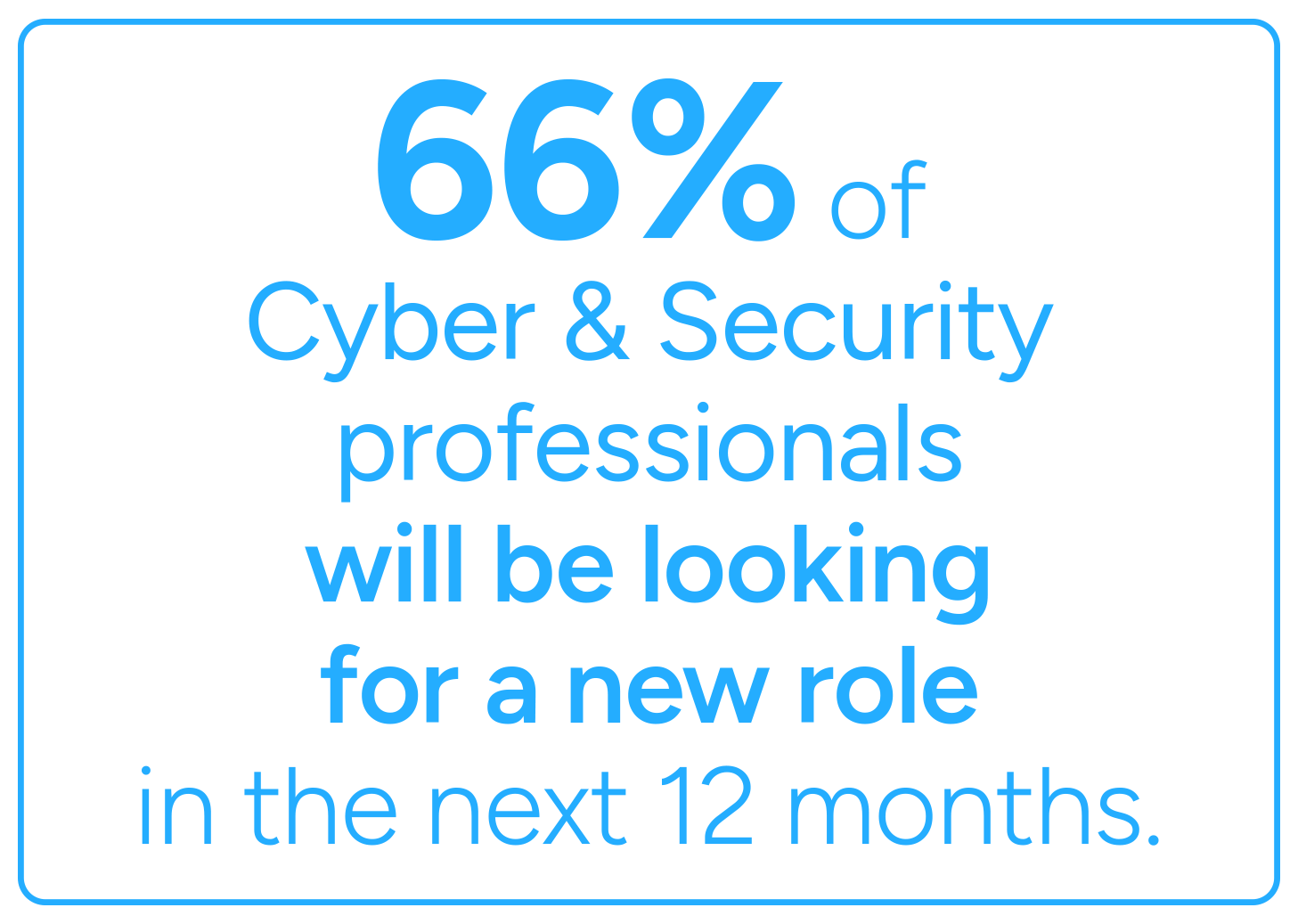
Cyber security professionals are more selective about their next move
Compared with other technology disciplines, fewer cyber professionals expect to look for a new role. Combined with higher salary expectations, this means employers may need to look beyond traditional recruitment channels to secure specialist talent.
Need access to hard-to-find security skills?
Our Cyber & Security team can help you navigate the talent market, understand candidate expectations and connect with specialists who may not be actively looking.
Whether you need an experienced security engineer, specialist support for a cyber security project or additional capability across your security team, tell us what you’re hiring and we’ll get the right specialist involved.
A Cyber Security Administrator is responsible for managing an organisation’s cyber security infrastructure. They configure and maintain security controls such as firewalls and intrusion detection systems, and monitor security logs for potential security incidents. Cyber Security Administrators also provide user training and support, and assist with incident response and disaster…
A Cyber Security Analyst protects an organisation’s systems and data by identifying threats, vulnerabilities, and cyber attacks. They monitor network traffic for suspicious activity, respond to security incidents, and conduct risk assessments. They also develop and implement security policies and protocols to safeguard against potential breaches.
A Cyber Security Architect is an expert in designing and implementing secure information technology systems. They are responsible for identifying potential vulnerabilities and designing security controls to protect against cyber attacks. Cyber Security Architects work to ensure the confidentiality, integrity, and availability of information and systems, and stay up to…
A Cyber Security Engineer is a professional who is responsible for designing, implementing, and maintaining secure computer systems and networks. Their primary focus is to protect an organization’s computer systems and networks from cyber threats, such as hackers, viruses, and other malicious activities.
A Cyber Security Manager is responsible for managing an organisation’s cyber security program. They develop and implement policies and procedures to mitigate cyber risks, and oversee security operations to ensure the confidentiality, integrity, and availability of an organisation’s data and systems. Cyber Security Managers also provide leadership and guidance to…
Cyber Security Monitoring & Response professionals are responsible for detecting and responding to cyber threats to an organisation’s IT systems. They monitor security logs and conduct real-time analysis of network traffic to identify potential security incidents. Cyber Security Monitoring & Response professionals also develop and implement incident response plans to…
A Cyber Security Strategist is a professional responsible for developing and implementing a comprehensive cyber security strategy for an organisation. They work to align cyber security initiatives with business objectives and manage risks to the organisation’s data and systems. Cyber Security Strategists also stay up to date with emerging threats…
A Cyber Threat Engineer is a specialist who anticipates and identifies emerging cyber threats to an organisation’s IT systems. They conduct research and analysis to understand the motivations and tactics of cyber attackers, and develop countermeasures to mitigate risks. Cyber Threat Engineers also provide recommendations for improving an organisation’s security…
Book a chat with one of our specialist Cyber Security consultants.
Fill in your details and one of our recruitment specialists will be in touch to chat next steps.
Find the tech people your business needs, backed by award-winning service.
Specialist Expertise Across Every Technology Vertical —
Dedicated teams trained in each tech skill for faster, accurate matching.
35+ Years Serving Australia's Largest Employers —
80+ Preferred Supplier Agreements with 92% client retention over the last five years.
Security-Cleared Talent for Sensitive Environments —
Established networks of candidates holding Australian Government security clearances, including Baseline, NV1 and NV2.
Certified to ISO 9001:2015 —
Quality-certified systems and processes built for consistency and continuous improvement.
Diversity, Built into the Work —
We work with trusted partners to widen access to tech careers and support greater representation of women, neurodiverse, LGBTIQA+ and First Nations talent
Clicks recruits across technical security, threat detection, incident response, governance, risk and compliance, and cyber security leadership.
This includes Cyber Security Analysts, Security Engineers, Security Architects, Penetration Testers, Threat Specialists, GRC professionals, Security Managers and senior cyber security leaders.
We help organisations recruit people who can assess security risks, protect systems and information, respond to threats and strengthen their overall security capability.
Technical cyber security roles focus on protecting systems, networks and information. That can include security engineering, monitoring, threat detection, vulnerability management and incident response.
Governance, Risk and Compliance (GRC) roles focus on how organisations identify, manage and report security risks. They also help establish security policies, controls and compliance processes.
Both are important, but they require different skills.
We help employers determine whether they need hands-on technical capability, governance expertise or someone who can work across both areas.
Yes. Clicks has experience recruiting technology professionals for Australian Government, Defence and other security-sensitive environments.
Our networks include candidates holding Australian Government security clearances, including Baseline, NV1 and NV2.
We recruit for technical security, cyber architecture, risk and compliance, monitoring and leadership positions.
Our consultants understand that clearance requirements, technical experience and knowledge of government environments can all influence the available candidate pool.
Organisations need different capabilities depending on their security environment, existing team and level of risk.
Security Operations Centre (SOC) Analysts and monitoring specialists help identify suspicious activity. Incident Response professionals investigate and manage security incidents, while threat specialists analyse emerging risks and attack methods.
Security Engineers and Architects also play an important role in strengthening controls and reducing exposure.
We help employers understand the responsibilities involved and recruit professionals with relevant operational experience.
Yes. Penetration Testers and Ethical Hackers help organisations identify weaknesses in their applications, networks and systems before attackers can exploit them.
We recruit professionals with experience in security testing, vulnerability assessment and related offensive security disciplines.
When reviewing candidates, it’s important to understand what they’ve tested, the techniques they’ve used and how they’ve communicated their findings.
Finding vulnerabilities is only part of the work. Employers also need people who can explain the risks and recommend practical improvements.
In regulated environments, technical expertise needs to be matched with an understanding of the rules, risks and operational requirements that apply to the organisation.
That might involve experience working with government security frameworks, privacy requirements, financial services regulations or critical infrastructure.
We look at candidates’ experience applying security controls, managing risk and working with stakeholders in comparable environments.
Someone who understands both the technology and the consequences of a security failure can bring valuable perspective to a cyber security team.
Cyber security salaries and contract rates vary depending on the role, technical specialisation, experience, location and level of responsibility.
Security clearances, niche technical skills, leadership experience and knowledge of highly regulated environments can also influence remuneration.
A hands-on Security Analyst, experienced Security Architect and Head of Cyber Security will have very different responsibilities and salary expectations.
Clicks provides salary benchmarking and market advice to help employers understand what they may need to offer and help cyber professionals assess their next opportunity.
A Cyber Security Administrator is responsible for managing an organisation’s cyber security infrastructure. They configure and maintain security controls such as firewalls and intrusion detection systems, and monitor security logs for potential security incidents. Cyber Security Administrators also provide user training and support, and assist with incident response and disaster recovery.
A Cyber Security Analyst protects an organisation’s systems and data by identifying threats, vulnerabilities, and cyber attacks. They monitor network traffic for suspicious activity, respond to security incidents, and conduct risk assessments. They also develop and implement security policies and protocols to safeguard against potential breaches.
A Cyber Security Architect is an expert in designing and implementing secure information technology systems. They are responsible for identifying potential vulnerabilities and designing security controls to protect against cyber attacks. Cyber Security Architects work to ensure the confidentiality, integrity, and availability of information and systems, and stay up to date with emerging threats and technologies.
A Cyber Security Engineer is a professional who is responsible for designing, implementing, and maintaining secure computer systems and networks. Their primary focus is to protect an organization’s computer systems and networks from cyber threats, such as hackers, viruses, and other malicious activities.
A Cyber Security Manager is responsible for managing an organisation’s cyber security program. They develop and implement policies and procedures to mitigate cyber risks, and oversee security operations to ensure the confidentiality, integrity, and availability of an organisation’s data and systems. Cyber Security Managers also provide leadership and guidance to security professionals within the organisation.
Cyber Security Monitoring & Response professionals are responsible for detecting and responding to cyber threats to an organisation’s IT systems. They monitor security logs and conduct real-time analysis of network traffic to identify potential security incidents. Cyber Security Monitoring & Response professionals also develop and implement incident response plans to quickly and effectively respond to security incidents.
A Cyber Security Strategist is a professional responsible for developing and implementing a comprehensive cyber security strategy for an organisation. They work to align cyber security initiatives with business objectives and manage risks to the organisation’s data and systems. Cyber Security Strategists also stay up to date with emerging threats and technologies, and provide guidance to security professionals within the organisation.
A Cyber Threat Engineer is a specialist who anticipates and identifies emerging cyber threats to an organisation’s IT systems. They conduct research and analysis to understand the motivations and tactics of cyber attackers, and develop countermeasures to mitigate risks. Cyber Threat Engineers also provide recommendations for improving an organisation’s security posture.